|
||||||||||||||||||||||||||
|
Big Island Hawaii REAL ESTATE SEARCH

Feb. 27, 2026
My Listings - February 2026


Posted in
Selling Your Home
no comments yet
Feb. 25, 2026
Letter from Big Island, Hawaii - February 2026
|
|||||||||
|


Posted in
My News
Feb. 19, 2026
A More Connected Future for Care in Hawaii

Across the islands, many families share the same concern: finding care that is both accessible and affordable without having to navigate a complicated system. With rising costs and limited provider availability, even routine care can sometimes feel out of reach.
A new collaboration between Hawai‘i Pacific Health and Hawai‘i Medical Service Association aims to change that experience by forming One Health Hawaiʻi, a nonprofit organization focused on better coordination across the state’s health services.
At its core, the idea is to bring different parts of the healthcare system into closer alignment, so patients experience fewer gaps, smoother communication, and more consistent support throughout their care journey. When systems connect more effectively, it can open the door to simpler scheduling, clearer information sharing, and less administrative burden for both patients and providers.
For local communities, this kind of alignment could gradually improve access to services, strengthen neighborhood clinics and hospitals, and create more opportunities for healthcare workers to serve where they are needed most. Over time, the goal is to make care more sustainable while helping families feel more confident about their options.
Choice remains an important part of the plan. People will still be able to select the doctors, facilities, and coverage that work best for them, while benefiting from a system that is designed to work together more seamlessly behind the scenes.
While no single change can solve every challenge, efforts like this reflect a shared commitment to building a stronger, more supportive health environment across Hawaiʻi, one that prioritizes connection, community, and long-term well-being.
Posted in
Community News
Feb. 12, 2026
Kealakehe Elementary’s $16 Million Expansion Brings New Space for Growing Families
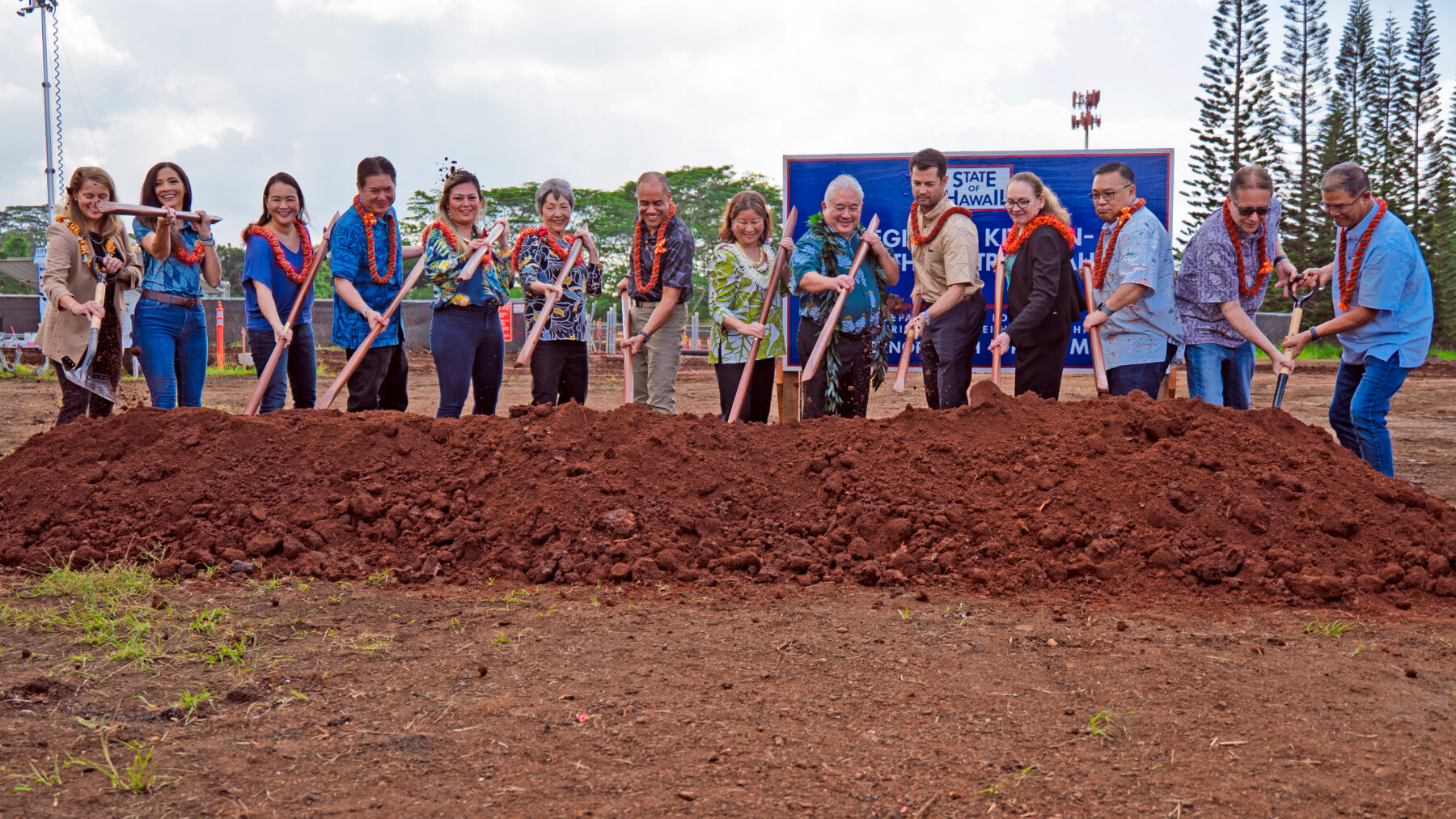
There’s something meaningful about seeing new classrooms rise in a neighborhood. It’s a sign that families are here, that the community is growing, and that there’s long-term investment in the next generation.
Kealakehe Elementary has officially broken ground on a $16 million classroom building that will add more than 13,000 square feet of new learning space to the campus. The two-story building will include four classrooms, special education areas, faculty offices, and an outdoor learning space, with completion expected in September 2027.
For many in West Hawaiʻi, one of the most practical improvements will be the addition of two pedestrian bridges connecting the upper and lower portions of the school’s sloped campus. Navigating between those levels has long been a challenge, so the added accessibility and safety will make everyday routines easier for students, teachers, and families alike.
Projects like this often go beyond bricks and square footage. Schools are gathering places, where friendships form, parents connect, and communities build roots. Expanding Kealakehe Elementary reflects not just student needs today, but confidence in the future of Kona’s families.
As construction moves forward toward its 2027 completion, it’s encouraging to see continued investment in local education. For many residents, improvements like this represent stability, growth, and a commitment to supporting keiki for years to come.
Source: Kealakehe Elementary breaks ground on $16 million classroom building
Posted in
Community News
Jan. 30, 2026
What Hawaii’s 2025 Visitor Numbers Say About the Bigger Picture

Tourism has always been part of Hawaiʻi’s everyday rhythm, and the 2025 visitor numbers offer a useful snapshot of where things stand now, less as a headline, and more as context.
By the end of the year, Hawaiʻi welcomed about 9.64 million visitors, slightly below 2024 and still short of the 10.4 million arrivals seen in 2019. At the same time, total visitor spending reached roughly $21.75 billion, with average daily spending climbing to about $273 per person, the highest level on record in nominal terms.
What stands out is the balance. Fewer visitors paired with stronger spending suggests a shift toward a steadier, more manageable pace, one that can support local businesses and jobs without pushing communities beyond their limits. It points to demand that’s still there, just moving a little differently than before.
There were also signs of gradual recovery in international travel. Arrivals from Japan rose to around 731,900, while the U.S. market continued to carry much of the volume. Canada sent about 394,300 visitors, reflecting a year influenced by economic uncertainty rather than a loss of interest in Hawaiʻi.
Performance varied across the islands. Some areas saw softer arrival numbers but stronger spending, while others continued working through recovery. Statewide hotel occupancy averaged about 73.9%, showing that the visitor economy remained active, even as businesses adjusted to rising costs.
Looking ahead, there’s reason for cautious optimism. Hawaiʻi continues to attract people who value the place, visitors who are intentional about being here, often staying longer, supporting local businesses, and returning year after year. That kind of steady interest tends to build resilience, not just in tourism, but across the broader local economy.
Progress here has never been about rushing back to peak numbers. It’s about finding balance, protecting what makes these islands special, and moving forward in a way that supports both residents and the many small businesses that depend on a healthy, sustainable pace. From that perspective, the numbers from 2025 feel less like a warning sign and more like a reminder that steady steps still move us forward.
Source: Hawaii visitor arrivals end 2025 well below pre-pandemic peak
Posted in
Community News
Jan. 26, 2026
Letter from Big Island, Hawaii - January 2026
|
|||||||||
|


Posted in
My News
Jan. 9, 2026
Community Food Efforts Across Hawai?i Island: A Quiet but Important Movement
Community Food Efforts Across Hawaiʻi Island: A Quiet but Important Movement

One thing that often gets overlooked when talking about life on Hawaiʻi Island is how deeply connected communities are when it comes to supporting one another. Across the island, many local organizations are quietly working behind the scenes to address food insecurity, a challenge that affects thousands of residents in both rural and urban areas.
From Puna to Kohala, these efforts look different depending on local needs. In some communities, food distribution hubs are expanding storage and refrigeration so they can serve more families and be better prepared during emergencies. In others, organizations are focusing on skills like food preservation, canning, and local food distribution to help households stretch resources further and rely less on long supply chains.
What stands out is how tailored these programs are. Areas with limited grocery access are prioritizing fresh produce and farm-to-family programs, while places with growing populations are investing in community kitchens and shared spaces that can serve meals, host classes, or even support small-scale food businesses. In towns like Honokaʻa and Waimea, long-running meal programs have grown steadily over the years as more families, Kūpuna, and Keiki rely on them each week.
In West Hawaiʻi, food access is increasingly being discussed alongside health care. Partnerships between hospitals and community groups are exploring ways to provide prepared meals to patients after discharge, as well as support schools that don’t have the infrastructure to offer food programs. These kinds of collaborations reflect a broader understanding that food, health, and stability are closely linked.
While each community faces different challenges, the common thread is local involvement, neighbors helping neighbors, often with modest funding but a lot of coordination and care. It’s a reminder that beyond housing and infrastructure, the strength of Hawaiʻi Island also comes from the systems people build to support daily life.
Posted in
Community News
Dec. 19, 2025
A Renewed Path for First-Time Buyers in Hawaii
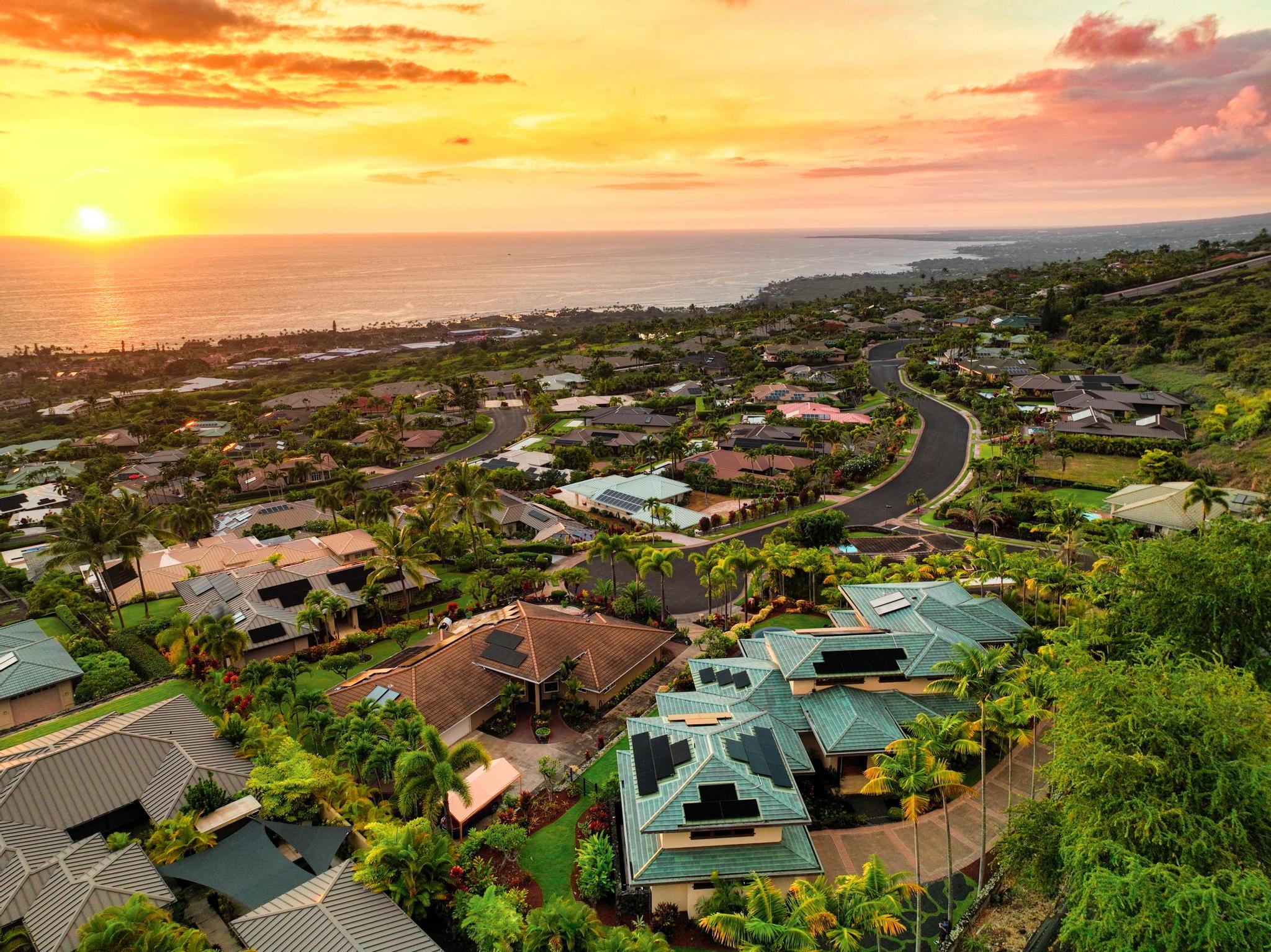 One of the biggest challenges I hear about from buyers today is how interest rates have changed the math of homeownership. Even for people with steady jobs and savings, higher rates can make monthly payments feel just out of reach. That’s why it’s worth paying attention when new tools are introduced to help bridge that gap.
Hawaiʻi has recently brought back a first-time homebuyer mortgage option designed specifically for local residents who haven’t owned property in the past few years. The program offers below-market interest rates, with some rates starting in the mid–5% range, compared to higher private-market options. Over time, that difference can translate into meaningful monthly savings.
Another notable aspect is flexibility. Purchase price and income limits vary by location, recognizing that housing costs are different depending on the area. Fees are also structured to be lower than many traditional loan products, which can help reduce upfront costs for buyers who are already juggling down payments and closing expenses.
The program is initially funded with about $30 million in mortgage capacity, with plans to expand funding as demand grows. There’s also a built-in mechanism to adjust rates if market interest rates shift, helping the program stay relevant rather than fixed in time.
From what I see day to day, programs like this help move the conversation forward in a meaningful way. For first-time buyers who have been patiently waiting, having a realistic option like this can restore confidence and make the goal of homeownership in Hawaiʻi feel attainable again.
As with any program, details matter, and eligibility varies. But overall, it reflects a broader effort to keep homeownership within reach for people who want to plant roots and stay connected to the community long-term.
Source: State relaunches first-time home buyer program to address high interest rates
Posted in
Community News
Dec. 10, 2025
How Community Investments Shape the Future of West Hawai?i
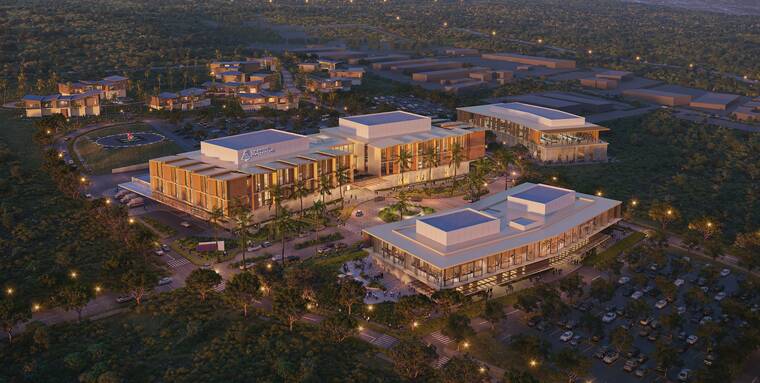
Every now and then, I come across a project that feels like it could make a lasting difference for the West Hawaiʻi community. One example is the ongoing plan for a modern outpatient health center in Kailua-Kona, an initiative built through a public-private partnership focused on strengthening local access to care.
The vision for the project is substantial: an approximately 50,000-square-foot facility funded through a proposal requesting $50 million in state support, on land contributed specifically for this purpose. It’s designed to complement a new hospital planned nearby, creating a larger medical hub that could serve a wide range of needs in one area.
What I find especially meaningful is the long-term mindset behind it. The partnership has talked about creating hundreds of health care jobs and bringing more services closer to home, reducing the need for inter-island travel and giving residents more dependable options. Plans for modern treatment areas, labs, and emergency support features reflect an effort to build something that will serve the community well into the future.
From the perspective of someone who works closely with families deciding whether to move to or stay in West Hawaiʻi, projects like this matter. Reliable access to health services is often one of the biggest factors people consider when choosing a place to call home. When a community invests in infrastructure, whether it’s health care, schools, transportation, or housing, it strengthens the foundation for long-term stability.
While many details continue to take shape over time, the broader takeaway is clear: thoughtful, collaborative development can help West Hawaiʻi grow in a way that supports the people who live here. And when we build with the future in mind, everyone benefits.
Source: New health center for Kona; public-private partnership announces $50M facility
Posted in
Community News
Nov. 14, 2025
Building More Than a Library: A Quiet Look at Puna’s Next Community Space
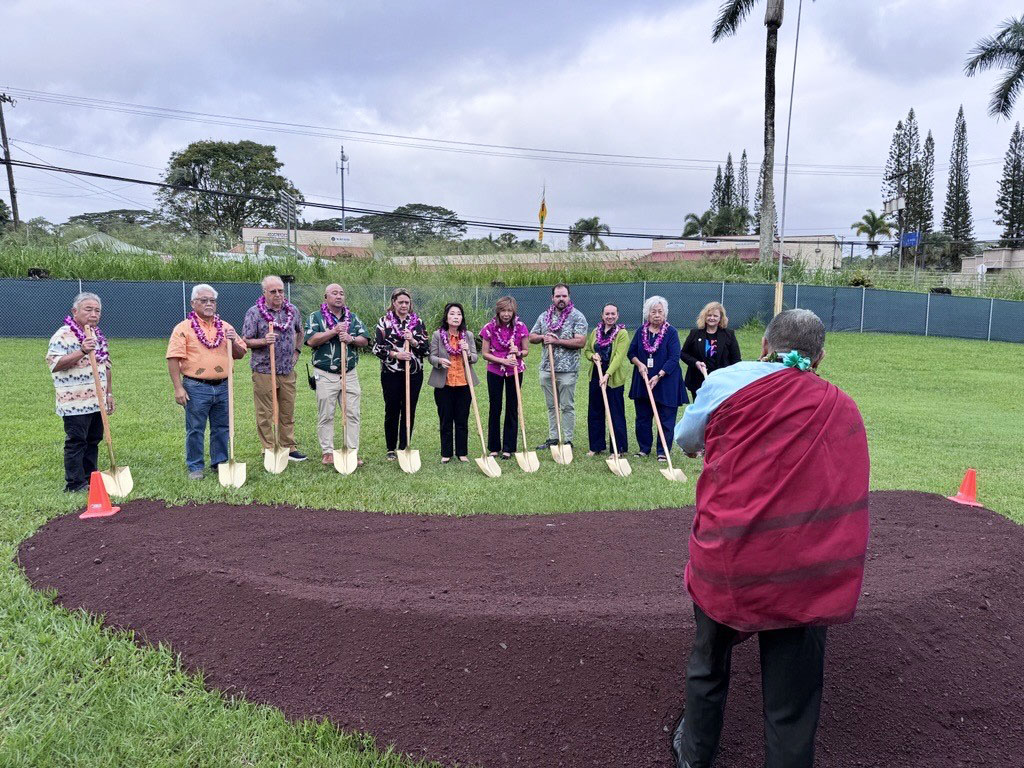
Every so often, a project comes along that reminds me how quickly our communities on the Big Island are growing and changing. The start of construction on the new Keaʻau–Mountain View Public Library is one of those moments.
For years, the libraries in Keaʻau and Mountain View have done their best to serve the area, even though they’re tucked inside school campuses and limited by space and hours. With more families, students, and long-time residents calling Puna home, it’s easy to see why a larger, standalone space has been on the community’s wish list.
The new facility, about 13,885 square feet, is designed to give people room to gather, study, work, or simply enjoy a quiet corner. Features like flexible shelving, an updated tech lab, and several meeting rooms show how thoughtfully the space has been planned. There will even be a larger community room with a lanai for events, plus its own parking area with around 42 stalls.
Construction is beginning on the open lot next to the existing Keaʻau Public and School Library, backed by a $20 million budget and a timeline of roughly two years. Even though it’s next to Keaʻau Middle School, the building will be fully separate, with its own entrance, something many residents have long hoped for.
As someone who works throughout the island, I see firsthand how important these shared spaces are. Whether someone is searching for resources, a quiet work spot, or just a familiar place to connect, these kinds of projects often end up shaping daily life far more than we realize at the start.
Watching this library take shape feels like one more example of how Puna continues to grow in ways that support the people who live here. And it’s encouraging to see that growth supported with intention, planning, and care.
Source: https://bigislandnow.com/2025/11/11/construction-on-the-kea%ca%bbau-mountain-view-public-library-begins-this-week/
Posted in
Community News