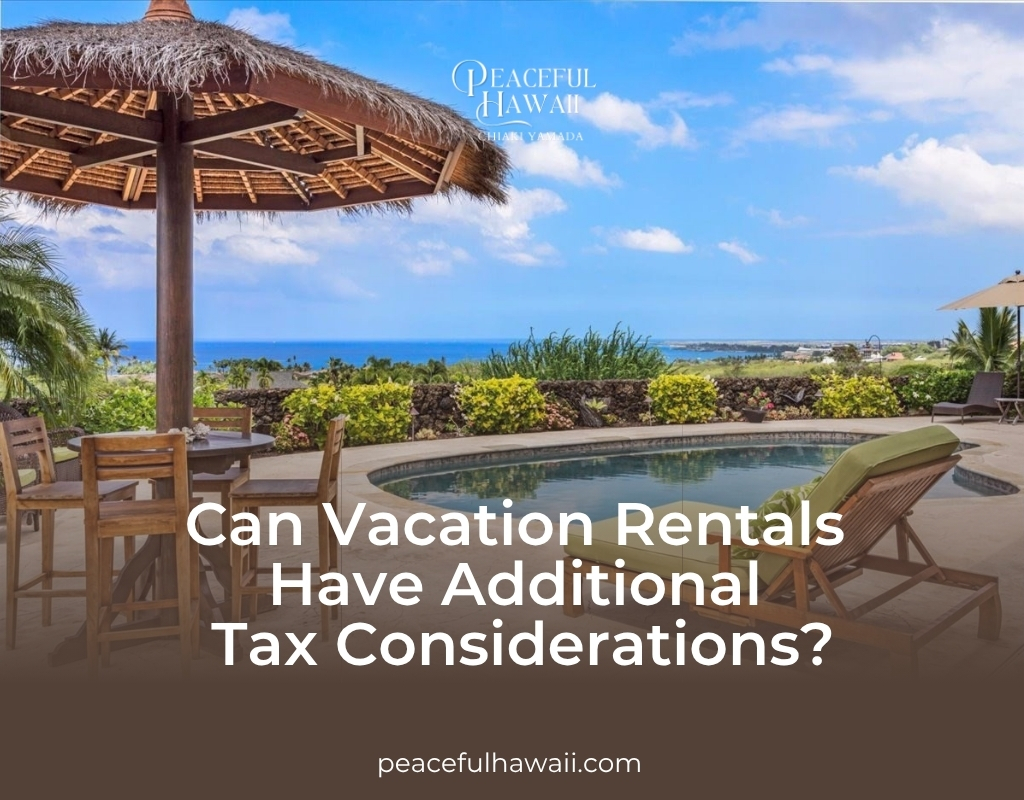
Thinking about renting out a home or condominium as a vacation rental? In Hawaiʻi, short-term rental income can come with additional tax responsibilities that property owners should understand before getting started.
Hawaiʻi treats rentals of less than 180 consecutive days as transient accommodations. In addition to reporting rental income for income tax purposes, short-term rental operators may be subject to General Excise Tax (GET) and Transient Accommodations Tax (TAT).
What Should Vacation Rental Owners Know?
- Short-term rental income is taxable. Rental income must be reported on the appropriate Hawaiʻi income tax return.
- GET may apply. Rental activity in Hawaiʻi is generally subject to General Excise Tax on gross rental income, unless an exemption applies.
- TAT may apply. Rentals for fewer than 180 consecutive days are generally subject to Hawaiʻi's Transient Accommodations Tax.
- Licensing may be required. Short-term rental operators generally need to register for GET and TAT licenses with the Hawaiʻi Department of Taxation.
- County rules also matter. Local counties may have their own short-term rental regulations, including zoning, permits, and operational requirements.
If you're considering purchasing a property as a vacation rental, understanding the tax and regulatory requirements before you buy can help you better estimate the property's potential costs and responsibilities.
For more information:
Hawaiʻi Department of Taxation – Renting Residential Real Property
This article is for general informational purposes only and is not tax, legal, or financial advice. Tax obligations and short-term rental regulations can vary depending on the property and how it is used. Please consult the Hawaiʻi Department of Taxation and the applicable county authorities for current requirements.